The <meta> tag is used to define the metadata about the HTML document. Metadata is data or information about the data. The <meta> tag is written inside the <head> tag.

The <meta> tag can have the following attributes —
Few examples -
charset : In the below example we set the character encoding to UTF-8.
<head>
<meta charset="UTF-8">
<head/>
http-equiv : This example will refresh the document very 30 seconds.
<head>
<http-equiv="refresh" content="30">
<head/>
name : One of the more common use cases for using the name attribute is used to set the viewport. The viewport is the user’s visible area of a web page and varies from one device to another. Setting the viewport is ensures that the website looks good on all devices.
<head>
<meta name="viewport" content="width=device-width, initial-scale=1.0">
<head/>
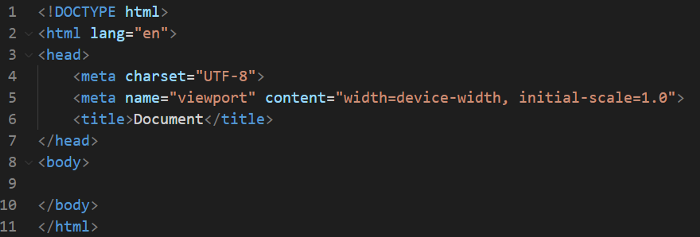
As you can see above, two <meta> tags are used. One for defining the charset, and the second defines the viewport. These two can be termed as the more important <meta> tags that should be defined.
ASEO stands for Search Engine Optimization. SEO is important for your website to be viewed and listed higher in search results so as to get more traffic. SEO can be improved by using tags in your website.
Some important tags for SEO are -
Learn more about emmet here
To learn more about the <meta> tag and to check browser compatibility visit the MDN web docs
You can find more examples here